
Kia Brake Repair in Scarborough, ON
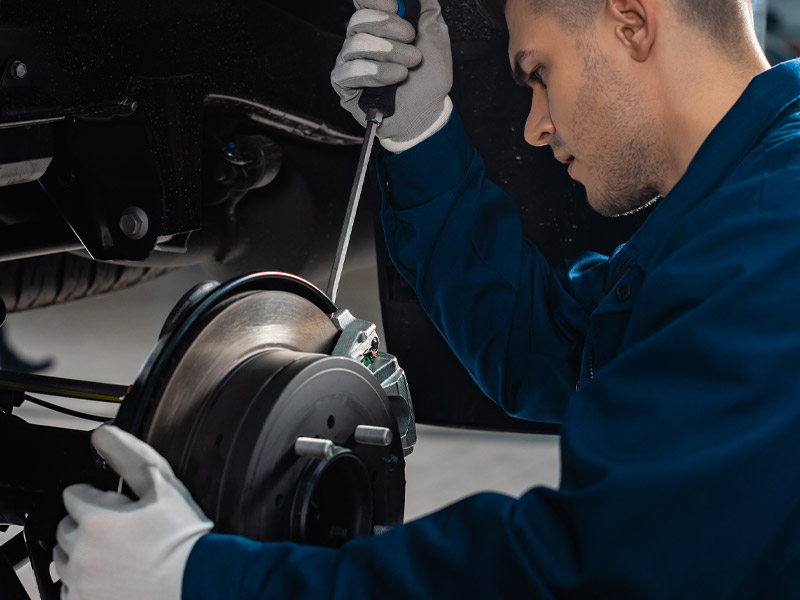
Your vehicle's braking system provides the critical safety function of stopping your car reliably in all driving conditions. Every time you press the brake pedal, the system must respond immediately to protect you and your passengers from potential accidents. Brake components naturally wear down through regular use and require expert maintenance to maintain optimal stopping performance. Our service centre employs certified technicians who use quality replacement parts and specialized tools to restore your braking system. We ensure your brakes meet factory safety standards and deliver the confident stopping power you need for peace of mind.
The Importance of Routine Brake Inspections
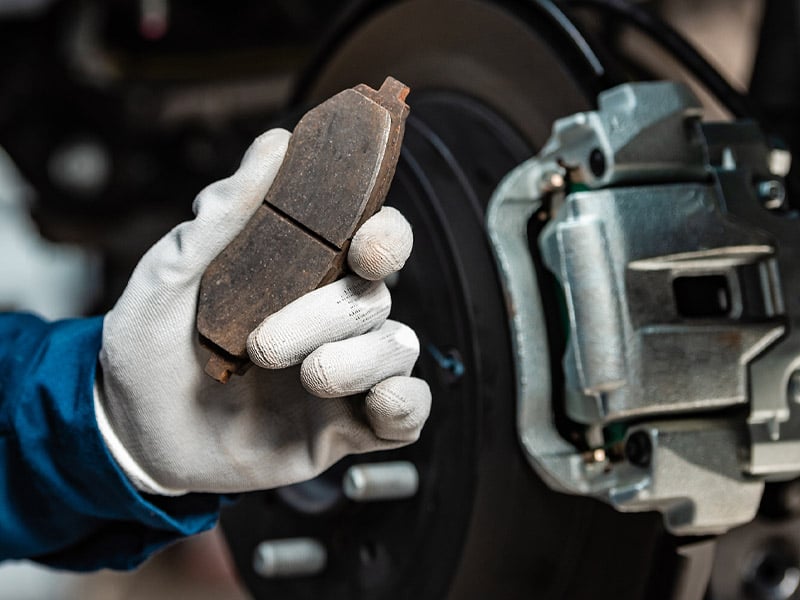
Regular brake maintenance protects your safety and prevents minor issues from becoming major expensive repairs over time. The braking system generates tremendous heat through friction, which gradually wears down pads, rotors, and other critical components with each stop. Ignoring early warning signs of brake wear reduces stopping ability and can cause damage to more expensive parts throughout the system. Professional inspections identify worn components before they compromise your vehicle's safety or cause additional damage to related systems. This preventive approach ensures systems like anti-lock brakes continue functioning correctly when you need them most.
Critical Warning Signs of Brake Wear
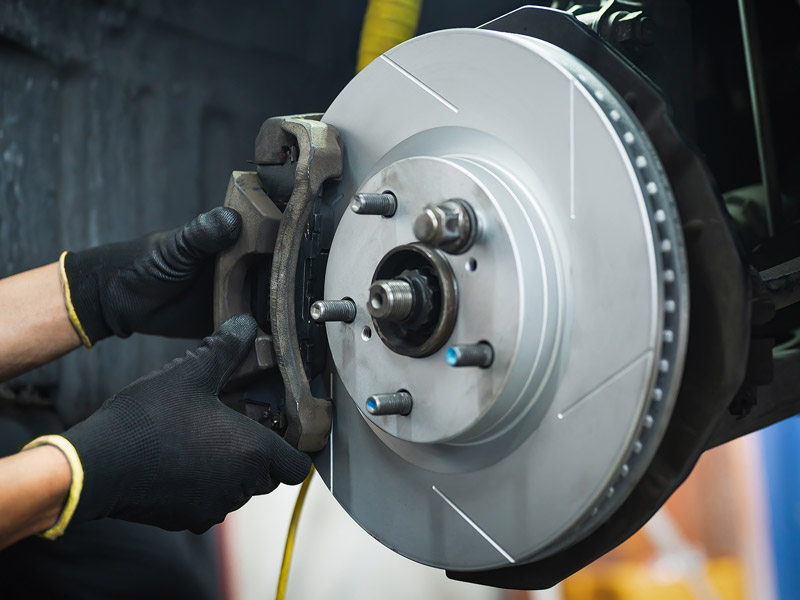
Recognizing brake problems early helps prevent dangerous situations and costly repairs that could otherwise be avoided with proper attention. High-pitched squealing or deep grinding sounds when braking indicate worn brake pads that require immediate professional attention. Vehicle pulling to one side during braking or a soft, spongy brake pedal feel are serious warning signs that need prompt inspection. Vibrations through the brake pedal or steering wheel during stops often indicate warped rotors that compromise braking performance significantly. These symptoms should be addressed quickly to maintain safe stopping ability and prevent further damage to your braking system.
Kia Certified Service in Scarborough, Ontario
Kia builds safe, dependable cars with effective brake systems. Squealing or grinding means brake components need attention now. Scarboro Kia's certified technicians understand Kia brake systems completely. We use genuine Kia brake parts for reliable stopping power. Your warranty requires proper maintenance with quality parts and service. Professional brake repair keeps your family safe on the roads. Get a brake repair service at Scarboro Kia, 2592 Eglinton Ave E, Scarborough, ON, or call (416)266-0066.
Kia Brake Repair FAQS
How do I know if my brakes need repair?
Common signs that your brakes need attention include squealing or grinding noises, a steering wheel that pulls to one side, or a vibrating brake pedal during stops. A soft or spongy pedal feel is another critical warning that requires immediate inspection. Any noticeable increase in the distance it takes to stop your vehicle should be addressed by a professional without delay.
How often should I have my brakes checked?
A professional brake inspection is recommended at least once a year or every 20,000 kilometres, but this can vary based on your driving habits. If you frequently drive in stop-and-go city traffic or operate a vehicle that carries heavy loads, more frequent checks are advisable. A regular inspection schedule is the best way to ensure your braking system remains in peak condition.
Why are my brakes making a squealing noise?
A small metal tab typically causes a squealing noise called a wear indicator. This tab is designed to contact the brake rotor when the pads are nearly worn out. This sound serves as an audible warning that it is time for you to schedule a brake service. While squealing can sometimes be caused by dust or moisture, it should always be professionally inspected to rule out a safety issue.
What's the difference between brake pads and rotors?
Brake pads are friction components that clamp down on the rotors, the large metal discs that rotate with the wheels. This clamping action slows and stops your vehicle, and it generates significant heat in the process. Because they perform the most demanding work, brake pads are designed as wearable items and must be replaced more frequently than the more durable rotors.
How long do brake pads and rotors last?
Brake pad life can range from 40,000 to 100,000 kilometres, while rotors typically last longer, depending on your vehicle and driving style. Vehicles that are heavier or used for frequent hauling will experience faster wear on these components due to the greater forces involved in stopping. A Kia certified technician can assess the condition of your pads and rotors to give you a more precise timeline for replacement.
Why does my car pull to one side when braking?
Pulling to one side during braking usually points to an issue within the brake system, such as a stuck calliper or unevenly worn brake pads. This creates an imbalance where one side brakes with more force than the other, causing the vehicle to veer from a straight line. It is a serious safety concern that requires prompt professional diagnosis to ensure confident stopping.
Can I replace just the brake pads without replacing the rotors?
You can often replace only the brake pads if the rotors are still within their minimum thickness specification and have a smooth, even surface. However, if the rotors are warped, deeply scored, or show signs of significant heat damage, they must be replaced or resurfaced. A Kia certified technician will measure and inspect your rotors to determine the correct and safest action.
Can I drive with a brake warning light on?
Driving with an illuminated brake warning light on your dashboard is strongly discouraged, as it signals a potentially serious problem with your braking system. This light could indicate anything from low brake fluid to a hydraulic or anti-lock brake system failure. You should have your vehicle inspected by a certified technician as soon as possible for your safety.
How long does a brake repair usually take?
A certified technician can usually complete a typical brake pad and rotor replacement service in one to two hours. However, more extensive repairs, such as replacing callipers or hydraulic brake lines, will require additional time to complete correctly and safely. Our service advisors can provide a more accurate time estimate based on your vehicle's specific repair needs.
Common signs that your brakes need attention include squealing or grinding noises, a steering wheel that pulls to one side, or a vibrating brake pedal during stops. A soft or spongy pedal feel is another critical warning that requires immediate inspection. Any noticeable increase in the distance it takes to stop your vehicle should be addressed by a professional without delay.
A professional brake inspection is recommended at least once a year or every 20,000 kilometres, but this can vary based on your driving habits. If you frequently drive in stop-and-go city traffic or operate a vehicle that carries heavy loads, more frequent checks are advisable. A regular inspection schedule is the best way to ensure your braking system remains in peak condition.
A small metal tab typically causes a squealing noise called a wear indicator. This tab is designed to contact the brake rotor when the pads are nearly worn out. This sound serves as an audible warning that it is time for you to schedule a brake service. While squealing can sometimes be caused by dust or moisture, it should always be professionally inspected to rule out a safety issue.
Brake pads are friction components that clamp down on the rotors, the large metal discs that rotate with the wheels. This clamping action slows and stops your vehicle, and it generates significant heat in the process. Because they perform the most demanding work, brake pads are designed as wearable items and must be replaced more frequently than the more durable rotors.
Brake pad life can range from 40,000 to 100,000 kilometres, while rotors typically last longer, depending on your vehicle and driving style. Vehicles that are heavier or used for frequent hauling will experience faster wear on these components due to the greater forces involved in stopping. A Kia certified technician can assess the condition of your pads and rotors to give you a more precise timeline for replacement.
Pulling to one side during braking usually points to an issue within the brake system, such as a stuck calliper or unevenly worn brake pads. This creates an imbalance where one side brakes with more force than the other, causing the vehicle to veer from a straight line. It is a serious safety concern that requires prompt professional diagnosis to ensure confident stopping.
You can often replace only the brake pads if the rotors are still within their minimum thickness specification and have a smooth, even surface. However, if the rotors are warped, deeply scored, or show signs of significant heat damage, they must be replaced or resurfaced. A Kia certified technician will measure and inspect your rotors to determine the correct and safest action.
Driving with an illuminated brake warning light on your dashboard is strongly discouraged, as it signals a potentially serious problem with your braking system. This light could indicate anything from low brake fluid to a hydraulic or anti-lock brake system failure. You should have your vehicle inspected by a certified technician as soon as possible for your safety.
A certified technician can usually complete a typical brake pad and rotor replacement service in one to two hours. However, more extensive repairs, such as replacing callipers or hydraulic brake lines, will require additional time to complete correctly and safely. Our service advisors can provide a more accurate time estimate based on your vehicle's specific repair needs.